
Understanding and Removing Ceiling Water Stains: A Complete Guide
If you’ve spotted unsightly brown or yellowish rings on your ceiling, you’re likely dealing with water stains a common issue that can detract from your home’s interior beauty. These stains often result from leaks or moisture buildup and, if ignored, can lead to more serious problems like mold or structural damage. In this comprehensive guide from The Well Painted Home, we’ll explain what ceiling water stains are, their common causes, and provide a step-by-step process to remove them effectively. We’ll focus on using high-quality paints and primers from Sherwin Williams and Benjamin Moore to ensure a professional, long-lasting finish. Whether you’re a homeowner tackling a DIY project or seeking advice before calling in pros, this article has you covered.
What Are Ceiling Water Stains?
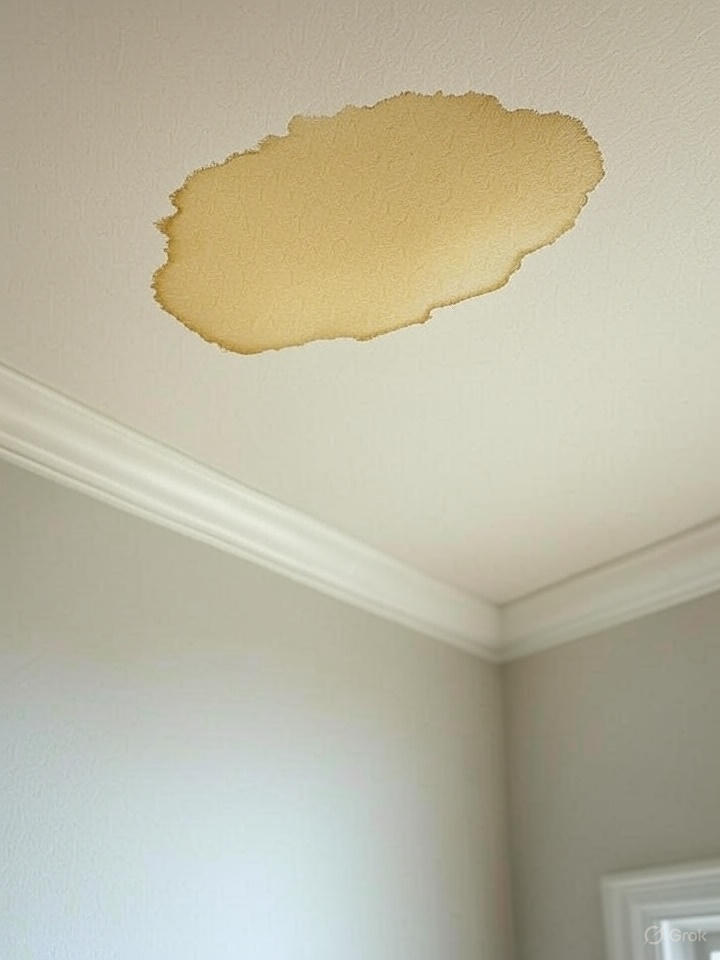
Ceiling water stains appear as discolored patches, typically in shades of brown, yellow, or rust, caused by water seeping through and leaving behind minerals, tannins, or mold residue. They often form circular or irregular shapes and can feel damp or soft to the touch if the issue is ongoing. Unlike simple dirt marks, these stains bleed through regular paint if not properly sealed, leading to recurring visibility even after repainting.
These stains are most common in bathrooms, kitchens, or areas directly below roofs and pipes, where moisture is prevalent. Early detection is key, as they can indicate hidden leaks that might compromise your home’s integrity.
Common Causes of Ceiling Water Stains
Water stains don’t appear out of nowhere, they’re symptoms of underlying moisture issues. Identifying the root cause is essential before any repair to prevent recurrence:
- Roof Leaks: Damaged shingles, flashing, or gutters allow rainwater to infiltrate, dripping down to the ceiling.
- Plumbing Problems: Burst pipes, leaking faucets, or overflowing toilets upstairs can send water cascading through floors.
- Condensation: In humid areas like bathrooms, poor ventilation leads to moisture buildup on cold ceilings, fostering stains and mold.
- Appliance Leaks: Faulty water heaters, air conditioners, or washing machines can cause slow drips that stain over time.
- Flooding or High Humidity: Basements or areas prone to flooding may see upward moisture migration.
Ignoring these causes can escalate to mold growth or weakened drywall, so always address the source first consult a plumber or roofer if needed.
How to Remove Ceiling Water Stains: Step-by-Step Guide
Removing water stains requires more than a quick coat of paint, you need to seal the stain to prevent bleed through. The process involves preparation, priming with stain blockers, and finishing with durable paint. We’ll recommend products from Sherwin Williams and Benjamin Moore, known for their excellent stain blocking capabilities.
Step 1: Fix the Source and Assess Damage
- Identify and repair the leak source to stop further water intrusion. Dry the area thoroughly using fans or dehumidifiers for at least 24-48 hours.
- Inspect for mold or soft spots. If the drywall is sagging or moldy, cut out and replace the damaged section with new drywall, then tape and mud the seams.
- Test for safety: If your home is pre-1978, check for lead paint before sanding.
Step 2: Clean the Stained Area
- Mix a solution of one part bleach to five parts water (or use vinegar for a milder option) and apply it to the stain with a sponge or spray bottle. Let it sit for 15-30 minutes to bleach out the discoloration, then rinse with clean water and dry completely.
- For stubborn stains, gently sand the surface with fine-grit sandpaper to remove loose material, then wipe away dust with a damp cloth. The stain will still be there but you are adding tooth and the ability for the primer to penetrate the stain a little bit better
Step 3: Apply a Stain-Blocking Primer
Priming is critical to seal in the stain and provide a smooth base for paint. Use a primer specifically designed for water stains to avoid future bleed through.
- Sherwin-Williams Recommendations:
- Extreme Block Interior/Exterior Stain Blocking Primer: Excellent for locking in water, smoke, and tannin stains; applies easily and dries quickly for same-day topcoating.
- White Pigmented Shellac Primer: Ideal for severe water-soluble stains on interior surfaces; offers superior sealing but requires good ventilation due to its odor.
- Quick Dry Interior/Exterior Stain Blocking Primer: Fast-drying formula (one hour) with easy soap-and-water cleanup, perfect for ceilings.
- Benjamin Moore Recommendations:
- Fresh Start High-Hiding All Purpose Primer: Provides excellent adhesion and is ok at stain blocking for water damage; hides imperfections well on ceilings. Would only recommend for minor stains
- INSL-X Aqua Lock Plus Primer/Sealer: Water-based, low-odor option that seals porous surfaces and blocks tough stains like water and rust.
Apply one or two coats with a roller or brush, extending beyond the stain edges for blending. Allow full drying time (typically 1-4 hours) before proceeding.
Step 4: Paint the Ceiling
Once primed, apply two coats of ceiling paint for a seamless finish. Choose flat or matte sheens to minimize imperfections.
- Sherwin-Williams Recommendations:
- ProMar Ceiling: Combines priming and painting for efficiency; great hide and durability for stained areas. 14
- Emerald Interior Acrylic Latex: Low-VOC, mold-resistant paint with excellent coverage; use flat finish for ceilings. 12
- Duration Home Interior Latex: Self-priming in many cases, with advanced stain resistance.
- Benjamin Moore Recommendations:
- Waterborne Ceiling Paint: Ultra-flat finish that hides minor flaws and resists spatter; ideal for quick, even coverage.
- Aura Interior Paint: Premium option with Color Lock technology for fade resistance and easy application.
- Regal Select Interior: Affordable, low-sheen paint with good flow and stain-blocking additives.
Paint the entire ceiling for uniformity, starting from the edges and working in sections. Use an extension pole for reach and allow 2-4 hours between coats.
Tools and Safety Tips
- Essential Tools: Drop cloths, ladder, sponge/spray bottle, sandpaper, primer brush/roller, paint tray.
- Safety: Wear gloves, goggles, and a mask when using bleach or primers. Ensure good ventilation, especially with shellac-based products.
- Pro Tip: For textured ceilings, use a thick nap roller to get into crevices without flattening the texture.
Preventing Future Ceiling Water Stains
To avoid repeat issues:
- Regularly inspect roofs, pipes, and appliances for leaks.
- Improve ventilation in bathrooms and kitchens with exhaust fans.
- Use moisture-resistant paints in high-humidity areas.
- Address condensation with insulation or dehumidifiers.
- Schedule annual home maintenance checks.
By following these steps and using trusted products from Sherwin-Williams or Benjamin Moore, you can erase those pesky water stains and restore your ceiling’s pristine look. At The Well Painted Home, we swear by these brands for their reliability and performance. Have you dealt with ceiling stains? Share your experiences in the comments below!
Leave a Reply