
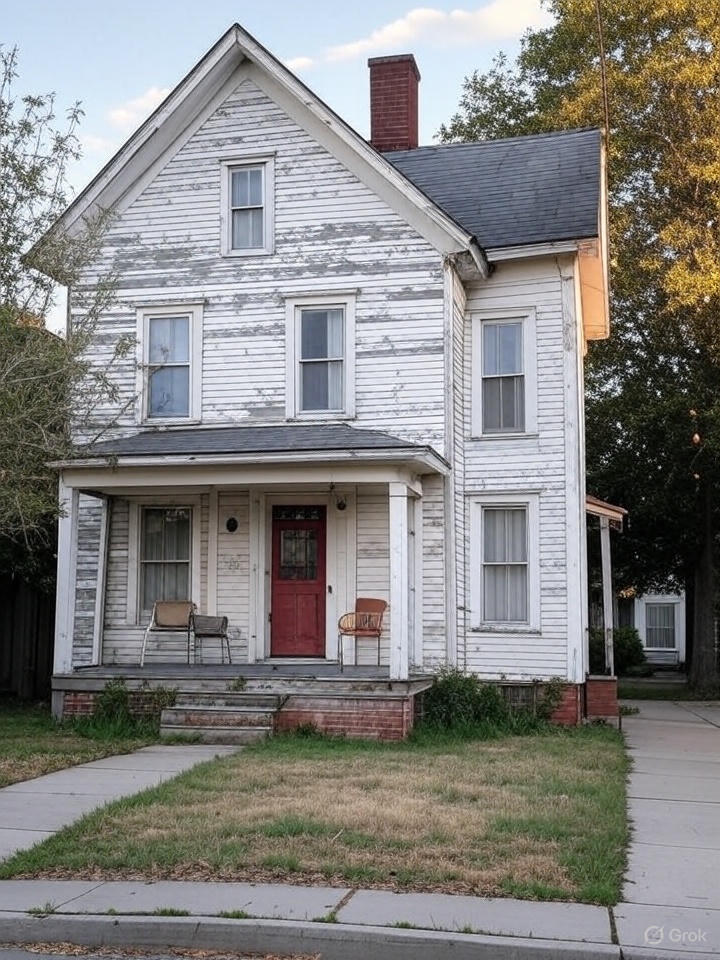
How to Fix Peeling Exterior Paint on Your House: A Step-by-Step Guide
Peeling exterior paint is a common issue for homeowners, often caused by moisture, poor preparation, or aging layers of paint. Not only does it detract from your home’s curb appeal, but it can also lead to further damage like wood rot or structural issues if left unaddressed. The good news? With the right approach, you can restore your home’s exterior to look fresh and protected. In this guide from The Well Painted Home, we’ll walk you through the process step by step, emphasizing safety, proper preparation, and high-quality products. If you’re not comfortable tackling this DIY, our hand-picked professional painters can handle it for you—simply fill out our Questions and Scheduling form to get started.
Step 1: Assess the Situation and Prioritize Safety
Before you begin, evaluate the extent of the peeling. Is it localized to one area, or widespread? More importantly, consider the age of your home. If your house was built before 1978, there’s a high chance it has been painted with lead-based paint at some point. Lead paint is hazardous, especially when disturbed, as it can create toxic dust that poses health risks, particularly to children and pregnant women.
Key Safety Tip: Avoid Sanding if Lead is Suspected. Sanding can release lead particles into the air and soil. Instead, opt for wet scraping methods (detailed below) and follow EPA guidelines for lead-safe practices. Test for lead using an EPA-recognized kit, or hire a certified inspector. Always wear protective gear like gloves, masks, and eye protection, and contain the work area with plastic sheeting to prevent contamination.
Step 2: Scrape Away the Peeling Paint
Preparation is key to a long-lasting paint job, and scraping is the foundation. Start by removing all loose, flaking, or peeling paint to create a smooth surface for new layers.
- Tools You’ll Need: A paint scraper, putty knife, wire brush, and a pressure washer (set to low pressure to avoid damaging the siding).
- How to Do It:
- Wet the surface with a garden hose or spray bottle to minimize dust (especially important for pre-1978 homes).
- Gently scrape off the peeling paint, working in sections. Use the scraper at a 30-degree angle to avoid gouging the wood or siding.
- For stubborn areas, use a wire brush, but keep it wet to control debris.
- After scraping, rinse the area with a pressure washer and let it dry completely (1-2 days, depending on weather).
- Pro Tip: If the peeling is severe, it might indicate underlying issues like moisture problems. Address these first—fix leaks, improve ventilation, or install flashing—to prevent future peeling.
This step ensures the new primer and paint adhere properly, reducing the risk of recurrence.
Step 3: Apply a Peeling Paint-Specific Primer
Once the surface is clean and dry, apply a specialized primer designed for peeling or unstable surfaces. These bonding primers “glue down” remaining paint edges and create a stable base. Two excellent options are Sherwin-Williams PrimeRx Peel Bonding Primer or Benjamin Moore INSL-X Peel Bonding Primer (often referred to as Peel Bond).
- Why These Primers? They are formulated to seal porous surfaces, bridge cracks, and improve adhesion on marginally prepared exteriors. Both are flexible, breathable, and can be applied thickly (up to 20 mils wet for INSL-X), helping to fill minor imperfections without cracking over time. 0 1 4
- Application Tips:
- Stir the primer well and apply it generously with a brush, roller, or sprayer.
- Focus on edges and peeled areas for extra bonding.
- Allow it to dry fully (typically 24 hours) before painting.
- Alternative: If these aren’t available, Zinsser Peel Stop is another solid choice for stopping peeling and sealing cracks. 7
Using a dedicated peeling paint primer saves time and prevents future failures, making it a must for exteriors.
Step 4: Choose and Apply High-Quality Latex Paint
For the topcoat, invest in premium exterior latex paint to ensure durability, fade resistance, and weather protection. We recommend Benjamin Moore Regal Select Exterior or Sherwin-Williams Emerald Exterior—both are 100% acrylic, low-VOC paints with excellent coverage and a lifetime warranty.
- Benjamin Moore Regal Select Exterior: Known for its superior adhesion, mildew resistance, and color retention. It’s self-priming in many cases but pairs perfectly with INSL-X primer for peeling surfaces.
- Sherwin-Williams Emerald Exterior: Offers exceptional dirt resistance, flexibility, and a smooth finish. It’s ideal for humid climates and works seamlessly over PrimeRx primer.
- Painting Process:
- Apply two coats using a high-quality brush or roller for even coverage (250-400 sq ft per gallon, depending on surface).
- Work in mild weather (50-85°F, low humidity) to avoid bubbling or uneven drying.
- Start from the top and work down to prevent drips.
These paints not only look great but also protect against UV rays, moisture, and mildew, extending your home’s exterior life.
Final Thoughts: When to Call in the Pros
Fixing peeling exterior paint can transform your home, but it’s labor-intensive and requires attention to safety, especially with potential lead hazards. If your project feels overwhelming, let The Well Painted Home connect you with a trusted, hand-picked painter in your area. We eliminate the hassle of multiple estimates and ensure the job is done right the first time. Head to our Need a Pro page or complete the scheduling form today—mention your peeling paint concerns, and we’ll match you with an expert familiar with these primers and paints.
Remember, regular maintenance like annual inspections can prevent peeling altogether. Happy painting!
Leave a Reply